Common Pests and Diseases Affecting Fiddleleaf Figs: What to Know
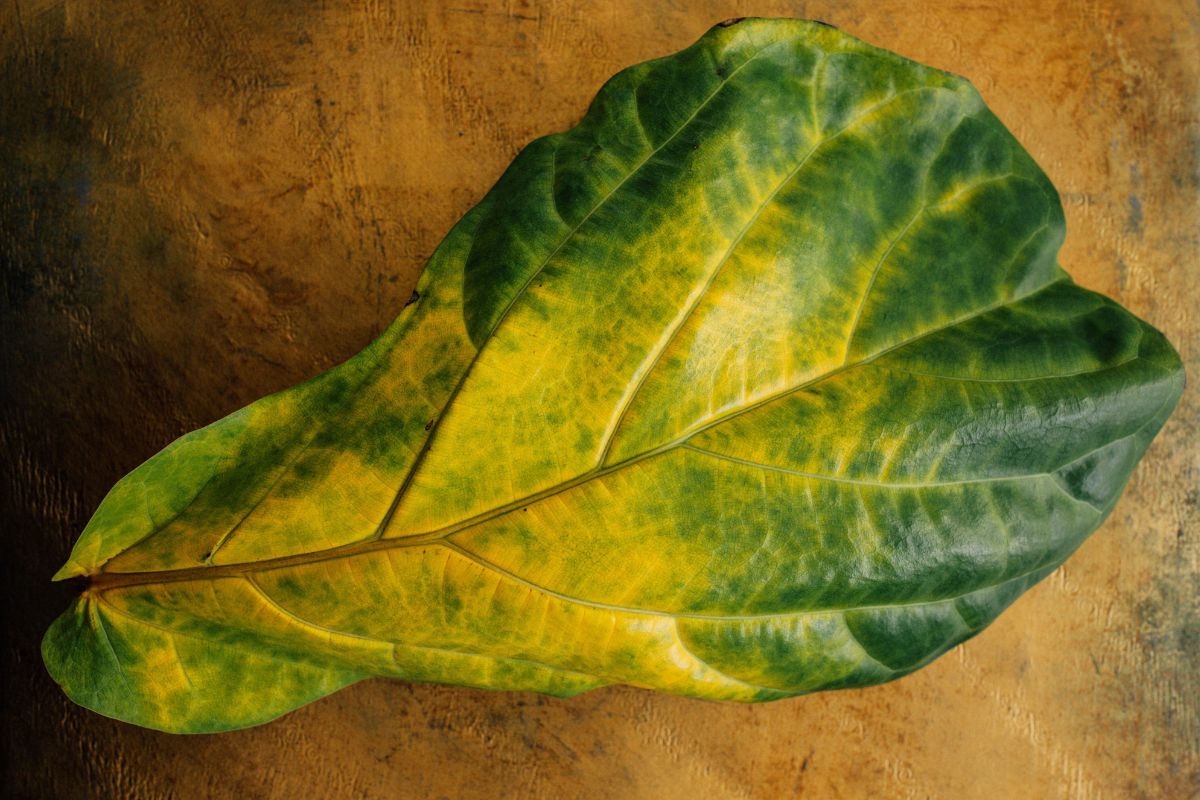
I still remember the exact moment I noticed tiny brown specks and a sticky residue on my fiddleleaf fig’s leaves. At first, I panicked—“Great, I’m already messing this up,” I thought. But over time, I realized pest and disease problems aren’t just about bugs or fungi; they’re about tuning in to your plant’s subtle signals and responding with a mix of patience, strategy, and persistence. Managing these issues felt less like a chore and more like cracking a puzzle—if you catch the clues early enough.
If you’re new to these challenges, it’s helpful to start with a comprehensive guide to Fiddleleaf Fig care to understand the basics of watering, light, and environment. Building a solid foundation makes it much easier to spot and address problems early.
Why Your Fiddleleaf Fig’s Health Feels So Unpredictable
Fiddleleaf figs aren’t actually fragile plants. Their big, glossy leaves just create perfect little hiding spots where pests and diseases can lurk unseen. By the time you spot trouble, those invaders have often been quietly taking hold for days or even weeks. It's easy to feel overwhelmed—like you’re always a step behind.
But here’s the mindset shift that helped me: stop reacting with panic when you see damage. Instead, become a detective. Check your fig regularly—even if it looks fine—and treat pest control like an ongoing project, not an emergency. For tips on maintaining the overall shape and health of your plant, understanding how to prune and shape your fiddleleaf fig tree can also help keep it vigorous and less susceptible to pests.
Why Most Pest Treatments Don’t Work (And What Really Does)
When spider mites showed up on my fig the first time, I tried everything: sprays bought online, wiping leaves with random household cleaners—you name it. Spoiler: none of it worked well, and my plant ended up more stressed.
Here’s why:
- Pests reproduce fast: Spider mites lay eggs every 3-4 days; if you only spray once or twice, you miss the new hatchlings.
- Harsh chemicals backfire: They can hurt your plant's leaves, making it easier for diseases to take hold.
- Irregular treatment = wasted effort: Skipping or forgetting treatments lets pests bounce back quickly.
What finally turned things around was learning the spider mites’ life cycle—and being relentless about treatment timing. Applying neem oil or insecticidal soap every 3–4 days for two full weeks interrupted their reproduction completely. Plus, upping humidity made all the difference—spider mites hate moist air. This wasn’t guesswork; it was carefully timed pressure.
Meet Your Most Common Enemies—and How to Outsmart Them
Spider Mites
Invisible without a magnifying glass (smaller than dust!), spider mites leave behind fine webbing that looks almost like spider webs but is actually their signature calling card.
- Humidity is your secret weapon: Dry indoor air is basically inviting them in. During winter especially, I run a small ultrasonic humidifier right next to my fiddleleaf fig—it makes the environment hostile to these pests.
- Check leaf undersides weekly: Have you noticed any faint webbing? That tiny clue is your earliest warning sign.
Mealybugs
These white cottony blobs look harmless but spread fast and secrete sticky honeydew that invites ants and mold.
- Isolate infected plants ASAP: Trust me—quarantining reduces stress (both for you and your other plants) by keeping the problem contained.
- Patience pays off: After ignoring mealybugs for about 10 days (don’t ask why—I was busy), my fig’s leaves got sticky and limp. Swiping each bug off carefully with an alcohol-soaked cotton swab felt tedious but cut their numbers dramatically before neem oil finished the job.
Scale Insects
Brown bumps that stubbornly cling to stems and leaves—they suck sap slowly but relentlessly.
- Start by scraping: It sounds low-tech, but gently scraping scales off with your fingernail after soaking them helps chemical treatments work way better.
- Stay consistent: Since scale insects have multiple life stages, missing one means starting over later. Setting calendar reminders kept me from burning out or getting distracted.
Diseases: The Quiet Killers You Can Outsmart
Root Rot
Often blamed on overwatering alone, root rot mostly happens because roots get starved of oxygen in heavy soil.
- Drainage isn’t optional: Mixing perlite or chunky pine bark into your potting soil is absolutely worth it—it lets roots breathe. For more on creating the right environment, check out choosing the right soil and fertilizer for Fiddleleaf Figs.
- Learned this the hard way: After repotting into dense garden soil that held water like a sponge, my fig started wilting within two weeks.
- Tip: Before watering again, stick your finger about an inch deep into the soil. If it still feels moist—even slightly—hold off another day.
Leaf Spot Disease
Brown or black spots can look scary but usually come from wet leaves combined with poor airflow—not necessarily fungal invasion right away.
- Airflow matters more than most people think: Placing a small fan nearby (but not blowing directly onto leaves) helped me dry leaf surfaces faster after watering.
- Clean physical removal works: Wiping leaves gently with a damp cloth removes spores and debris without relying solely on chemicals.
Quick Wins From My Own Struggles
- Stubborn mealybugs took nearly four weeks before I gave up on sprays alone—switching to alcohol swabs plus neem oil every five days wiped them out in two weeks flat. Watching new leaf buds appear felt like winning chess against an invisible opponent.
- A friend’s fig was dying from root rot after being stuck in generic potting mix; switching to cactus soil blended 50/50 with perlite improved drainage enough to save it within three weeks.
- Spider mites disappeared almost overnight once I started misting daily and running a humidifier during dry winter months—a reminder that sometimes environment tweaks trump chemicals entirely.
When Things Stall: How To Adjust Your Strategy
If pests or diseases keep coming back despite trying everything:
- Look under every leaf—pests love hiding in crevices you might miss at first glance.
- Be honest about how often—and how much—you’re watering; “just in case” watering feeds root rot faster than you’d expect. For more on this crucial topic, read how to properly water your Fiddleleaf Fig.
- Stick religiously to treatment schedules; skipping days gives pests a foothold again.
- Remember: staying calm and persistent beats frantic spraying every time.
The Mindset Shift That Saved My Figs
The biggest change came when I stopped seeing fiddles as delicate trophies and started viewing them as partners who send feedback through problems—not failures on my part. Early signs became empowering signals rather than scary problems: “I see those spider mites lurking—here’s exactly where we interrupt their game plan.”
What To Do Right Now — Your Quick Start Checklist
- Grab your phone and take close-up photos of every leaf’s underside. See webs? White fuzzy spots? Brown bumps? Documenting helps catch patterns before they spread.
- Pick up cold-pressed neem oil or insecticidal soap today (I recommend Garden Safe brand). Commit to applying it every 3–4 days for two weeks if you spot pests.
- Create better humidity: group plants together or invest in a small humidifier—your fiddleleaf will thank you!
- Test soil moisture by finger before watering again; if it's damp below surface, wait another day or two.
- Set weekly calendar alerts for pest checks—routine beats panic every time.
Your fiddleleaf fig doesn’t throw tantrums randomly—it talks back through pests and diseases when something’s off balance. After rescuing multiple plants using these strategies (and plenty of trial-and-error), I can say confidently: winning comes down to patience, observation, and sticking with proven routines—not quick fixes or harsh chemicals alone.
Treat your fiddleleaf as an ongoing project instead of a one-time rescue mission—and soon enough those glossy leaves will be shining proof you’ve cracked the code between problem-solving and real plant care mastery.
Got questions while troubleshooting? Drop them anytime—I’ve been there more times than I care to admit!


