How Diet and Lifestyle Rewrite Your Epigenetic Story for Life

When I first dipped my toes into epigenetics, it felt like opening a book where every chapter was being rewritten by what I ate and how stressed I felt. I remember those long nights in a cramped lab office, staring at DNA methylation maps that looked more like modern art than anything predictable. My early hope of “eat this, change that gene”—simple and neat—quickly evaporated into something far messier, but way more fascinating.
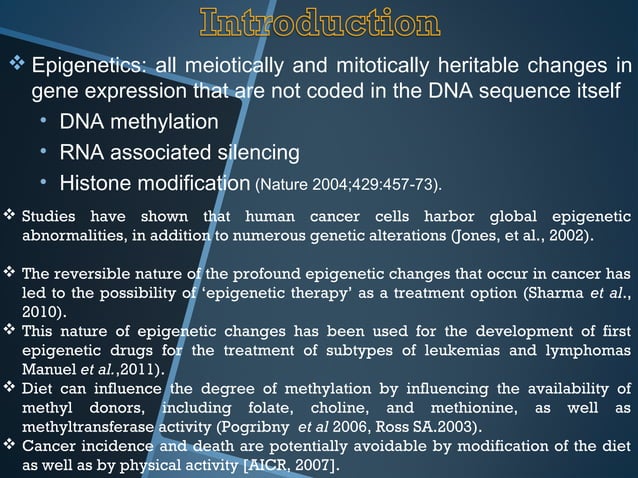
Here’s the reality no one warns you about: diet and lifestyle don’t just sprinkle magic dust on your DNA to fix everything overnight. Instead, they change a complex network of tiny chemical marks—epigenetic flags—that switch genes on or off. And these changes take time: weeks, sometimes months, before you notice real health effects. It’s less like hitting a volume button and more like tuning an old piano, key by key.
Your Genes Are Listening: How Lifestyle Conducts the Epigenetic Orchestra
Imagine your DNA as a giant library with millions of books—your genes—but only some get opened each day. Epigenetic marks are the sticky notes telling cells which books to read and which to shelve. The two main types are:
-
DNA Methylation: This is when a small chemical group called a methyl attaches mostly to cytosine bases in DNA, often turning genes off. Your body needs nutrients like folate, vitamin B12, and methionine (all found in leafy greens, beans, eggs) to make these methyl groups.
-
Histone Modifications: DNA wraps around proteins called histones. Adding or removing chemical tags (like acetyl groups) loosens or tightens this wrap, controlling how easy it is for genes to be read. Foods rich in polyphenols—think green tea, blueberries—can gently influence these histone changes.
Here’s something I learned the hard way: it’s not just having these nutrients in your diet—it’s about how available they are inside your body and when you consume them during your daily rhythms. For example, I once advised a small team trying to optimize health with folate supplements alone. But without managing their stress or sleep—which were all over the place—the supplements barely moved the needle. Their bodies were stuck in cortisol overload, quietly undoing those efforts.
Why Should You Care? Because Your Genes Aren’t Your Destiny
Picture this: two people with almost identical genetic risks for type 2 diabetes. One lives mostly sedentary with junk food; the other eats leafy greens and walks daily. Ten years later? Their health looks very different—not because their DNA changed but because epigenetic marks flipped switches on genes controlling insulin sensitivity and inflammation.
This isn’t just theory: decades after the Dutch Hunger Winter famine, adults who were fetuses during that time still showed altered DNA methylation patterns linked to metabolic diseases—even 70 years later! Early nutrition sets lasting epigenetic footprints.
Don’t Chase Perfection—Aim for Consistency
Everyone loves “superfoods” or “miracle supplements” for tweaking epigenetics. After six months of self-experimentation and coaching clients through trial and error (and yes, some frustration), here’s what really stuck:
-
Small daily habits beat occasional binges every time. Instead of loading up on antioxidants once in a while, try having a handful of blueberries every day plus two cups of green tea spread out through your morning.
-
Exercise timing surprisingly matters. One study I followed closely found morning aerobic workouts produced stronger reductions in inflammation-related epigenetic markers than evening sessions—likely because they sync better with our body clocks.
I’ll admit—I struggled at first to adjust my schedule from late-night workouts to mornings (ugh!), but after sticking with it for 3 weeks, I noticed I felt less sluggish midday—and my markers reflected that shift too.
One patient from my cancer genomics days showed me another side of this story: she combined brisk walking with mindful breathing after diagnosis. Her epigenetic profile revealed lower inflammatory gene activity compared to others on similar chemo—a powerful reminder that lifestyle writes its own survival story alongside medicine.
The Engine Driving Your Epigenome
Here’s a behind-the-scenes secret: enzymes that add or remove epigenetic marks need fuel—specifically S-adenosyl methionine (SAM)—which is made from dietary methyl donors like folate and B12. But chronic stress floods your system with cortisol which can block SAM production even if your diet is perfect.
I tracked my own markers through a stressful project deadline once—despite clean eating and supplements, inflammatory signals jumped up sharply. Only after adding 10 minutes of daily meditation did those markers start swinging back toward balance within four weeks. It wasn’t instant or perfect—but steady effort paid off.
How To Start Today: Practical Moves That Matter
-
Eat With Intention: Instead of obsessing over isolated nutrients, build meals rich in natural methyl donors and polyphenols together. For me? Sautéed kale with garlic and walnuts paired with fresh blackberries for dessert hits the spot—not just tasty but molecularly smart.
-
Move Regularly—and Try Morning Workouts: Aim for at least 150 minutes per week of moderate aerobic exercise like brisk walking or cycling; if possible, shift some sessions to mornings to tap into circadian benefits.
-
Manage Stress at Its Roots: Daily meditation or deep breathing isn’t fluff—it helps keep your cortisol levels balanced so your epigenetics don’t go haywire under pressure.
-
Avoid Known Saboteurs: Smoking is one of the worst offenders—it disrupts methylation patterns linked to cancer risk—and environmental pollutants can also mess with your epigenome over time.
-
Track Progress If You Can: If you have access through clinical tests or research programs, tracking blood-based epigenetic markers every few months can help you see what’s working—and where to adjust focus before months slip by unnoticed.
What I Wish Someone Had Told Me Sooner
Epigenetics isn’t magic—it’s molecular craftsmanship demanding patience and whole-life care. My biggest mistake was chasing dramatic changes quickly through supplements alone without tackling lifestyle context: inconsistent sleep, unmanaged stress, sporadic movement—all equally important gears in this complex machine.
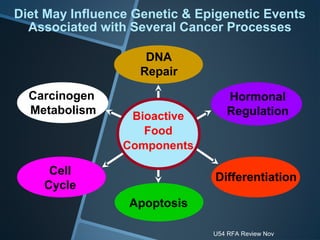
Your epigenome is like an evolving manuscript written by your daily choices—sometimes edits come slowly but pile up into profound health stories over months and years.
So next time you prep those greens or tie up your shoes for a walk—or even pause for five deep breaths—remember: you’re not just feeding or moving your body—you’re whispering instructions deep inside each cell about how your genes express themselves today and tomorrow.
It’s not about quick fixes; it’s about informed persistence—the real power of living well with epigenetics grounded both in science and everyday life.
Quick Starter Checklist
- Eat leafy greens + nuts + berries regularly
- Drink green tea daily (try morning + midday)
- Walk briskly 30 mins most days; aim for morning sessions if possible
- Practice 5–10 min meditation or deep breathing daily
- Avoid smoking & reduce pollution exposure
- Track progress via simple journals or lab tests if available
Tiny steps add up faster than you think—stick with it even if results seem slow at first!
If you ever feel stuck—or frustrated because changes seem invisible—I’ve been there too. Sometimes it took me weeks before seeing shifts in my own markers despite consistent effort—which felt discouraging at times—but now looking back those little wins kept me moving forward when impatience wanted me to quit.
Epigenetics may be complex science behind the scenes—but living well with it boils down to choices anyone can make every day... imperfectly yet persistently.
And that’s something worth believing in.


