Epigenetics and Environmental Influences: How Life Shapes Your Genes
When I first dove into epigenetics, I thought it would be simple: your genes equal your fate. Turns out, it’s way messier—and way more hopeful. Imagine your DNA as a script you inherit, but your environment scribbles invisible notes in the margins. These notes don’t rewrite the script itself, but they change how your genes perform. It’s less “fixed destiny” and more “improv theater.”

Environment and Your Genes: A Two-Way Street
Here’s what I’ve learned from years of lab work and real-world coaching: environmental factors don’t just whisper to your genes—they flip switches, turn dials, and sometimes slam doors. But this isn’t a one-time thing. It’s an ongoing conversation between what you eat, how you handle stress, what toxins you encounter, and the molecular machinery inside your cells that edits gene expression.
Real-World Example: Fine-Tuning Nutrients for Epigenetics
Let me get specific. I worked with a small health coaching team focused on metabolic health through “epigenetic-friendly diets.” Their advice was vague—“eat greens, avoid toxins”—which is okay but not precise enough.
I suggested zeroing in on methyl donors: folate from spinach (about 130 mcg per half-cup cooked), choline from eggs (roughly 250 mg per two boiled eggs), plus nuts rich in B vitamins. We also started testing clients’ serum B12 every three months because B12 is critical for enzymes that put methyl marks on DNA.
One client came to us borderline deficient in B12—after six months of tailored nutrition and monitoring, their energy and glucose markers improved significantly. That confirmed something big: it’s not enough to say “eat healthy.” You have to target the nutrients that feed your epigenetic machinery—and track progress with actual data.
Why Diet and Stress Are Messier Than You Think
You often see diet and stress treated like separate boxes in epigenetics discussions—but they’re tangled up at the molecular level.
Chronic stress pumps out cortisol, which doesn’t just make you jittery; it alters DNA methylation patterns on immune-related genes. This can ramp up inflammation, potentially wiping out any benefits from a good diet.
Early on, I thought telling clients to meditate five minutes daily was enough to tame stress epigenetically. Nope. It wasn’t until we combined meditation with aerobic exercise—think brisk walks or cycling for about 30 minutes, five times a week—that we saw meaningful shifts in histone acetylation marks after eight weeks.
Bottom line? Managing stress needs a multi-pronged approach tailored to the individual.
The Dutch Hunger Winter: Timing Is Everything
You probably know about the Dutch Hunger Winter famine during WWII as an epigenetic case study—it’s famous for showing how prenatal environment shapes adult health. But here’s what most miss: when during pregnancy the exposure happens makes all the difference.
Babies whose mothers were starved early in gestation showed altered DNA methylation decades later—linked to higher diabetes risk. Those exposed later didn’t show these changes.
This hit home for me when advising pregnant clients—it’s not just what exposures happen but when. Timing matters deeply if we want interventions that truly protect future generations.
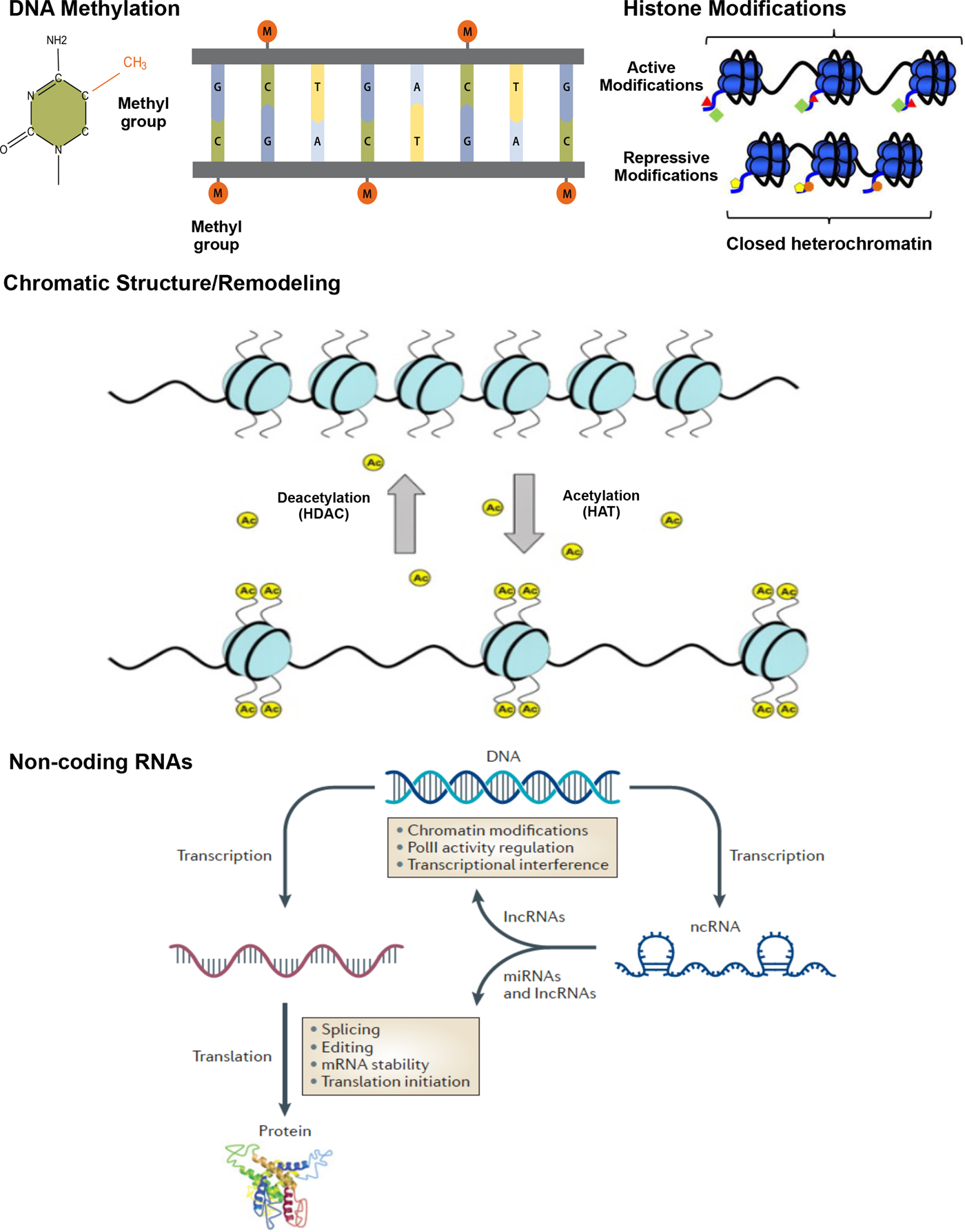
Sneaky Saboteurs: Environmental Toxins and Your Epigenome
Toxins like lead and BPA don’t just damage cells directly—they mess with the epigenome’s control center by causing oxidative stress that disrupts chromatin-modifying enzymes.
I remember working with a smoker who wanted more than just quitting advice; she wanted to understand her cancer risk on a deeper level. By looking at public data on DNA methylation changes from smoking—like hypomethylation of tumor suppressor genes—we helped her see that some damage could reverse if she stayed smoke-free long enough.
It reminded me that many epigenetic changes aren’t permanent scars—they’re more like weather patterns that shift when conditions improve.
My Biggest Mistake (So You Don’t Have To)
At first, I thought all environmentally induced epigenetic changes were set in stone—a pretty bleak outlook that made me despair over clients’ past lifestyle choices.
Years later, watching slow but steady reversals in DNA methylation after sustained diet and lifestyle changes taught me patience is everything here.
These “notes” on your genetic script can be erased or rewritten—but it takes consistent effort over months (sometimes six or twelve) before you see real shifts at the cellular level.
Simple Steps That Actually Work (No Fluff)
From everything I’ve seen and tested, here’s my no-nonsense advice:
- Target methyl donors: Include ½ cup cooked spinach daily (~130 mcg folate), 2 boiled eggs (~250 mg choline), plus nuts like almonds or walnuts for B vitamins.
- Track key nutrients: Ask your doctor for serum B12 tests every 3–6 months or use reliable home kits (some pharmacies offer finger-prick tests).
- Stress management: Combine mindfulness apps like Headspace or Insight Timer (10–20 min daily) with aerobic activity (~30 min, 5 days/week). Experiment to find what fits you—remember there’s no one-size-fits-all.
- Reduce toxin load: Use filtered water pitchers (Brita Plus is affordable), swap plastic food containers for glass or stainless steel, avoid microwaving plastics.
- Monitor progress clinically: Besides B12, consider checking cortisol levels if stress feels unmanageable—some labs offer saliva tests you can do at home.
- Be realistic: Epigenetics isn’t instant magic—it’s a slow dance requiring patience and consistency.
Why This Matters More Than Ever
Understanding how environment talks back to your genes isn’t just science trivia; it’s empowerment wrapped in biology.
I once botched a CRISPR experiment targeting an exon unrelated to expression control—and learned that biology demands precision and nuance. Epigenetics is no different. It teaches us our biology is flexible—but only if we respect its rhythms and complexity.
If you take away one thing from my experience: your lifestyle choices are annotations on your inherited blueprint—not rewriting your DNA sequence but shaping how that blueprint plays out across your life…and maybe even beyond into future generations.
If you want pointers on apps or tools I’ve found helpful for tracking nutrition or stress management—or even easy-to-understand visuals decoding these pathways—I’m happy to share those too.
Remember: epigenetics isn’t destiny locked in stone; it’s a conversation written lightly in pencil waiting for you to pick up the eraser—and pen—with intention.
Key Takeaways
- Focus on specific nutrients feeding epigenetic enzymes—not just generic “eat healthy” advice.
- Stress impacts gene regulation directly; combine mindfulness with aerobic exercise for best effects.
- Timing of environmental exposures matters hugely—especially during pregnancy.
- Some toxin-induced epigenetic changes can reverse with sustained healthy living.
- Be patient; real change takes months of consistent effort.
- Use clinical testing where possible to guide personalized strategies.
Got questions? Or want help turning this science into doable steps? Just ask—I’ve been down this road and love helping others navigate it without feeling overwhelmed.


