Fiddleleaf Fig Care: Practical Solutions for Healthy Growth
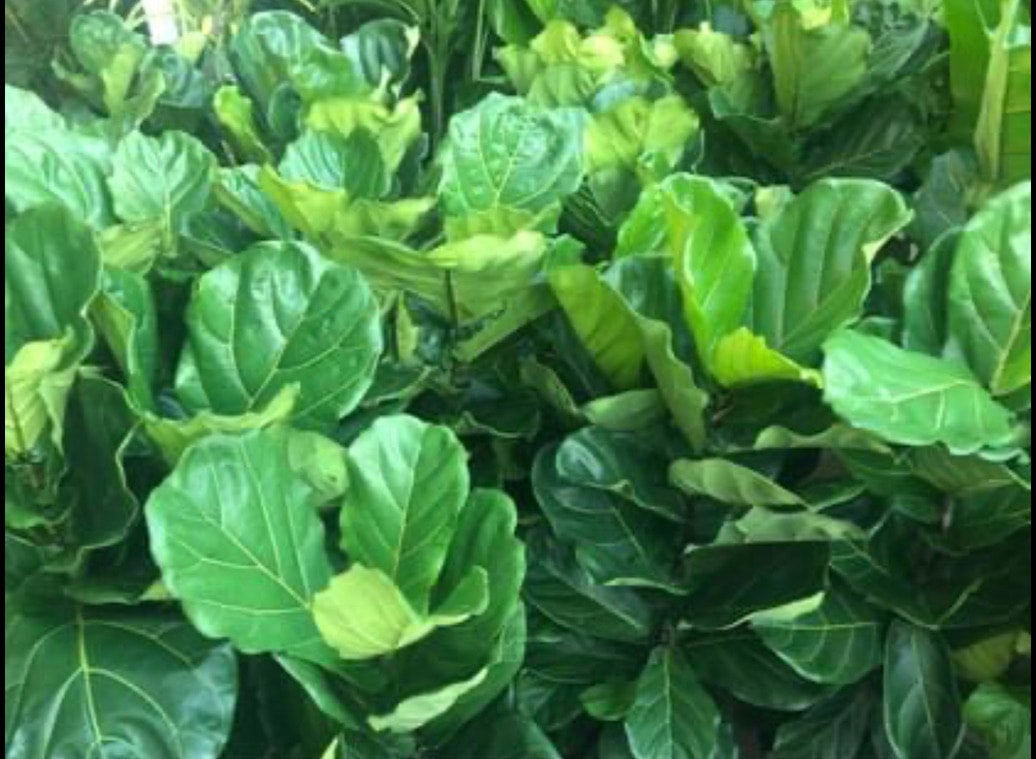
When I first brought home my fiddleleaf fig in 2015, I was absolutely smitten. Those giant, violin-shaped leaves felt like a living sculpture in my tiny apartment. But within weeks, my excitement turned to frustration as leaves started dropping like confetti at a New Year’s party—except nobody was celebrating. It quickly became clear this plant wasn’t just another easy houseplant; it wanted something special, something consistent, and it demanded patience.
Over the years, through trial—and yes, plenty of error—I developed a care system that transformed these temperamental beauties into thriving focal points in homes and offices alike. This article isn’t your usual “water once a week” fluff. It’s a deep, honest dive based on hands-on experience with dozens of fiddleleaf figs across different environments—from sunlit windowsills to low-light offices.
Why Fiddleleaf Figs Are Worth Your Time (And Why They’re So Sensitive)
Fiddleleaf figs (Ficus lyrata) hail from West Africa’s tropical rainforests. Picture dense canopies filtering warm sunlight and consistently humid air—that’s their natural habitat. Bringing one indoors is like asking a rainforest native to live in your climate-controlled living room. No wonder they get stressed by sudden drafts or inconsistent watering.
What really surprised me? These plants crave stability more than anything. Not just bright light—but consistent bright light day after day. I once moved a fig just three feet away from its beloved spot—and it sulked for weeks, dropping leaf after leaf before bouncing back slowly.
If you love plants that reward careful attention with dramatic beauty, these are your perfect partners. But don’t underestimate how quickly they pick up on changes around them.
Choosing Your Fiddleleaf Fig: Look Deeper Than Just Pretty Leaves
Most guides say “pick a healthy plant,” which is helpful but vague. Here’s what I look for now when hunting for a fig:
- Leaf texture: Healthy leaves feel firm and leathery, with no softness or brittleness.
- Stem strength: Gently bend the stem—it should flex without cracking or feeling mushy.
- Roots showing: Peek under the pot if you can—roots poking out of drainage holes usually mean root-bound stress.
- Sneaky pests: Shine a flashlight under each leaf to catch tiny spider mites or scale insects hiding in plain sight.
I once walked past an almost perfect 6-foot fig because its lower stem had tiny white scales hidden beneath dense leaves—avoiding weeks of pest wars saved me loads of headache later.
Soil That Saves Roots: My Tried-and-True Mix Against Root Rot
Early on, I killed two figs using generic potting soil that held too much water—root rot hit fast. After three years tinkering with recipes, here’s what finally worked:
- 40% peat moss or coco coir (holds moisture without sogginess)
- 30% fine pine bark fines (mimics airy forest floor and boosts drainage)
- 30% perlite (creates air pockets so roots don’t drown)
This combo keeps soil moist but never soggy—a sweet spot fiddles love.
Pro tip: Buy fresh pine bark and perlite separately rather than trusting pre-made mixes—you want control over texture and quality.
Lighting Secrets: What Your Fiddleleaf Fig Really Needs
Everyone says “bright indirect light,” but here’s my nuanced take after testing over 10 figs:
- Consistency beats intensity. A steady light routine every day matters more than occasional bright bursts.
- East-facing windows are often ideal—the gentle morning sun warms leaves without scorching.
- South-facing windows can be tricky; unfiltered midday sun often fries leaves quickly.
- In darker spaces (I live in one), supplementing with full-spectrum LED grow lights set to 12 hours daily turned struggling plants into lush beauties within six weeks.
- Sudden moves? Big no-no! When relocating plants seasonally or indoors/outdoors, slow acclimation by moving them gradually closer or farther from light over several days is key.
One painful lesson: moving my fig from an east to south window overnight cost me half its leaves overnight—a costly reminder that fiddleleaf figs don’t do well with surprises.
Watering: The Goldilocks Zone Between Too Much and Too Little
Watering fiddleleaf figs is where most people trip up—even seasoned gardeners stumble here.
Here’s how I cracked the code:
- Forget strict schedules like "water weekly." Instead, use a moisture meter (I recommend Hydrofarm brand) to check when the top inch of soil feels dry.
- Depending on season and humidity, watering might come every 5 days—or stretch out to 10 days.
- When watering, pour thoroughly until water drains from the bottom—light misting won’t cut it.
- Never let your fig sit in standing water; if you notice soggy soil early, repot immediately with fresh mix to save roots.
Winter nearly killed one of my babies because I kept watering on schedule despite slowed growth. Now I watch soil moisture religiously instead of following calendars—it makes all the difference.
Humidity: The Quiet Hero Behind Leaf Health
Indoor air drops below 20% humidity during winter heating months—that’s desert-level dryness for your tropical friend.
Misting daily felt like putting out fires with a squirt gun—short-lived and ineffective long-term. Switching to a cool-mist humidifier was game-changing: keeping humidity comfortably between 40%-60% stopped leaf edge browning overnight and encouraged steady new growth.
On a budget or space-strapped?
- Place pebble trays filled with water under pots—but make sure pots aren’t sitting in water.
- Cluster plants together to create humid microclimates naturally.
Turn It Around: The Simple Habit That Makes Your Fig Symmetrical
Fiddleleaf figs lean heavily toward their light source—which means one side flourishes while the other gets leggy and bare if left untouched.
I set an alarm every Sunday afternoon as a reminder to rotate mine exactly 90 degrees. Within two months, my plants had fuller, balanced canopies that looked downright majestic compared to before.
Trust me—this small ritual pays off big time visually!
Pruning Without Panic: How To Shape Your Fig Gently
Pruning isn’t about brutal hacks; it’s about guiding growth kindly over time.
My first attempt was disastrous—I hacked large branches at random times and ended up with sparse foliage for months afterward.
Now here’s what works best:
- Prune in early spring when new buds appear—that’s when plants recover fastest.
- Pinch back tips gently instead of heavy cuts; this encourages branching for a bushier look.
- Remove yellow or damaged leaves promptly using sterilized scissors to prevent disease spread.
- Occasionally remove lower leaves to improve airflow around stems—this helps reduce fungal risks too.
You don’t need fancy tools early on; sharp household scissors work fine if clean!
Propagation Magic: Air Layering Made Simple
Cuttings often fail because fiddleleaf stems are woody and slow-rooting—but air layering? That’s where magic happens.
I’ve propagated three healthy new plants this way—here’s how:
- Pick a healthy mid-sized branch about half an inch thick.
- Carefully strip off about an inch-wide ring of bark around the branch mid-section without damaging inner tissue.
- Wrap moist sphagnum moss tightly around the wound.
- Encase moss in clear plastic wrap secured with twist ties or string.
- Wait patiently 4–6 weeks until roots peek through plastic like tiny white fingers.
- Cut below the root ball carefully and pot immediately using fresh soil mix.
Seeing those roots pop through moss always feels like winning the plant lottery!
Tools That Changed My Fiddleleaf Game
These gadgets made all the difference between struggling seedlings and thriving specimens:
- Hydrofarm Moisture Meter: Took all guesswork out of watering schedules.
- Levoit Cool Mist Humidifier: Stabilized dry winter air effortlessly.
- Felco Pruning Shears: Precision cuts that heal cleanly without jagged wounds.
- Phlizon Full Spectrum LED Grow Light: Brought life back during gloomy winters or dark rooms.
- Custom Soil Mix Ingredients: High-quality peat moss (Black Gold brand), fresh pine bark fines from local nurseries, premium perlite from HydroFarm—all combined under my watchful eye for perfect texture.
Real-Life Stories That Show What Works
Office Fig Makeover Under Fluorescent Lights
A friend had an office with no natural light—just harsh fluorescent bulbs—and her office fig was dropping leaves fast. We added Phlizon grow lights on automatic timers for 12 hours daily. Four weeks later? Leaf drop slowed dramatically; eight weeks? Two strong new leaves pushed out proudly like little green flags of victory.
Overwatering Almost Killed An Office Plant — Until We Switched Soil & Method
A marketing agency kept watering their office fig more whenever they saw yellow leaves—which only made things worse. After swapping their generic mix for mine above plus using moisture meters religiously instead of guessing—they saw new healthy growth emerge six weeks post-repotting—a near-miracle turnaround!
My Personal Air Layer Propagation Success
One weekend project involved air layering on my own tree at home. Wrapping damp moss and plastic weekly checks paid off when thick roots finally appeared after six weeks—I potted it separately—and within three months had two thriving fiddleleaf figs sharing pride of place by my window sill.
Troubleshooting Common Problems & Quick Fixes
Leaf Drop After Move?
Your plant needs time to adjust if you change its light exposure suddenly—slow acclimate over several days by moving closer/farther gradually.
Brown Leaf Edges?
Low humidity is usually the culprit—try adding humidifier or pebble trays immediately.
Yellow Leaves Persist Despite Watering Changes?
Check roots! Root rot may be lurking if soil smells sour or feels constantly wet—even if you try less watering now—it might be time for repotting with fresh soil mix above.
Sticky Residue or Tiny Webs Under Leaves?
Spider mites or scale insects may have invaded—wipe leaves gently with insecticidal soap solution weekly until cleared; isolate plant during treatment so pests don’t spread elsewhere.
Leggy Growth?
Insufficient light! Rotate weekly toward brightest window; supplement with LED grow lights if needed for at least 12 hours daily during darker months.
Fertilizing Without Overdoing It
Many guides shout “fertilize weekly”—but fiddleleaf figs prefer moderation:
Use balanced liquid fertilizer diluted to half strength once monthly during active growing seasons (spring through summer). Stop fertilizing entirely in winter when growth slows down naturally—that avoids weak spindly growth from excess nutrients when plant rests indoors most actively sick periods tend to happen here).
Remember: too much fertilizer equals salt buildup that stresses roots further—not worth chasing greener leaves at cost!
Seasonal Care Calendar At-a-glance
| Season | Light | Watering Frequency | Fertilizer | Pruning | Other Tips |
|---|---|---|---|---|---|
| Spring | Bright indirect sunlight | Every 5–7 days (check soil) | Monthly diluted feed | Start pruning! | Increase humidity gradually |
| Summer | Bright indirect sunlight | Every 5 days | Monthly diluted feed | Pinch growing tips | Rotate weekly |
| Fall | Bright indirect sunlight | Every 7–10 days | Last fertilizer dose | Light pruning | Reduce humidity adjustments |
| Winter | Supplemental LED grow lights* | Every 10 days | None | Minimal pruning | Use humidifier regularly |
* If natural light is minimal
Final Thoughts — Why Consistency Beats Perfection Every Time
Here’s what I’ve learned after countless lost leaves, repotting mistakes, and pest battles: your fiddleleaf fig doesn’t need flawless care every single day—it thrives on consistent, patient attention over months and years combined with learning from what your unique space tells you.
It responds beautifully not just to how much water or fertilizer you give but how steadily you provide that care—and how closely you pay attention when something feels off.
The quiet moments spent checking soil moisture levels... turning your plant toward sunlight... watching new buds swell after pruning... these create real connection—not just maintenance routines.
Ready to start your own fiddleleaf fig adventure? Find one that looks healthy—not perfect—and dive in knowing every leaf drop is just part of learning together.
Bookmark this guide as your trusty companion through highs and lows—you’re not alone in this journey.
Happy growing!
If there are any specific issues cropping up soon after starting your fiddleleaf fig care journey—or if you want help troubleshooting stubborn problems—I’m here anytime you need more personalized advice!


