Optimal Indoor Lighting Conditions for Healthy Fiddleleaf Figs
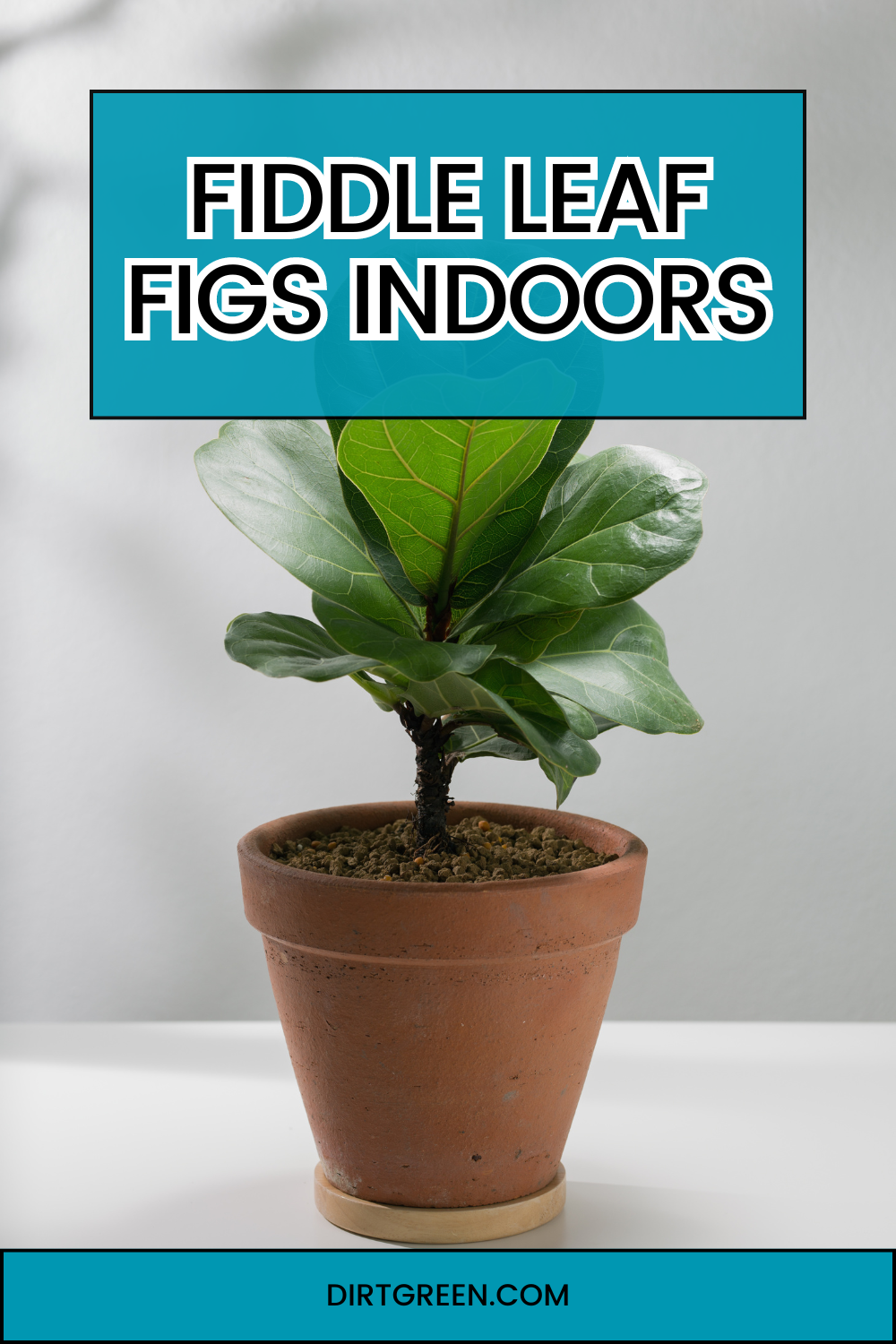
When I first brought home my fiddleleaf fig, I thought any sunny spot would do. So, I plopped it right next to a south-facing window, convinced “bright light = happy plant.” Boy, was I wrong. Within just two weeks, those shiny leaves started curling and turning brown at the edges—like they’d been singed by a tiny flame. That’s when I realized something hardly anyone talks about: not all bright light is equal, and sunlight through glass can be way harsher than you think. If you’re new to these plants, it’s worth reading a comprehensive guide to fiddleleaf fig care for a complete overview of their unique needs—lighting included.
What “Bright, Indirect Light” Really Means
Everyone says fiddleleaf figs need “bright, indirect light,” but that phrase doesn’t tell the whole story. These plants come from tropical rainforests where sunlight filters gently through tree canopies—not blasts down full force. They love dappled light that feels warm but never scorching.
If you miss this delicate balance, your fig will either sulk with slow growth and dropping leaves or end up with crispy sunburn spots.
The Glass Magnification Surprise
Here’s my big “aha” moment: direct sun through a window isn’t just bright—it acts like a magnifying glass. It intensifies heat and UV rays more than outdoor sun would, quickly frying leaves. My fig’s crispy edges were the red flag.
What helped? Moving it just 2 feet back from the window and hanging a sheer curtain between the glass and the plant. Within three weeks, those burnt edges started healing and new healthy leaves emerged.
Try this: Sit by your window for 10 minutes during peak sun hours (usually 11 am–3 pm). Does it feel like sitting in an oven or just pleasantly warm? If it’s oven-like, your plant’s too close.
Rotate or Risk a Leaning Fig Disaster
I ignored rotation for months—big mistake. My fig leaned so hard toward the light it looked like it might topple over any minute. Once I started turning it 90 degrees every week (set a reminder on your phone!), new branches sprouted evenly all around in about six weeks.
If you don’t rotate, expect lopsided growth that's tough to fix later on. If your fig is already getting unruly, understanding how to prune and shape your fiddleleaf fig tree can help restore its balance and encourage fuller growth.
Low Light Is Sneaky—and Deadly
Another common pitfall: tossing your fig into a “bright-ish” north-facing window or dim corner assuming it’ll survive. Sure, it might hang on for a while—but watch closely for yellow leaves dropping quietly one after another.
A friend of mine did exactly this—no grow lights despite gloomy winter months—and lost nearly all her leaves by spring.
Here’s something surprising: adding even a modest full-spectrum LED grow light during darker months can double your fig’s growth rate. That same friend got a simple $40 Spider Farmer SF-1000 LED panel and placed it about 12 inches above her plant. Within three months, her little fig bounced back healthier than ever.
Don’t Forget Seasonal Changes
As daylight shrinks after October, fiddleleaf figs slow way down if you don’t adjust lighting. Moving your plant closer to your brightest window or running grow lights for 8–12 hours daily can prevent winter leaf drop and keep your fig ready to burst with new growth come spring.
My Lighting Lessons in Short
- Burnt Edges: Sitting too close to bare south-facing glass in July = crispy leaves within days. Fix: move back 2-3 feet + add sheer curtains = healing in ~3 weeks.
- Leaning Tower: No rotation for months = lopsided growth. Weekly 90-degree turns gave balanced branches in under two months.
- Dark Room Disaster: North-facing window + no supplemental light = slow death over winter; adding $40 LED grow light revived it fast.
What Most Guides Don’t Say
Natural sunlight is great—but modern full-spectrum LED grow lights aren’t cheating; they’re smart care tools. Even with good windows, these lights fill gaps during gloomy seasons so your fig doesn’t just survive—it thrives.
Distance matters too—not just being near a window but how close you are during peak sun hours can mean the difference between gentle warmth and leaf-burning heat.
Quick Troubleshooting Guide
- Yellowing leaves + dropping? Too little light — try moving closer to an east or south window OR add grow lights.
- Brown crispy edges? Too much direct sun — move further away from glass or use sheer curtains.
- Plant leaning heavily? Uneven light — rotate weekly.
- Slow winter growth? Not enough intensity/duration — supplement with LEDs for 8–12 hours daily.
The One Thing I’d Tell My Plant-Loving Friend
Don’t settle for “bright spot” without actually testing how intense that light really is throughout the day. And don’t be afraid to use an affordable full-spectrum LED grow light year-round if you want glossy leaves and steady growth.
It took me nearly six frustrating weeks of trial and error before I figured this out—and honestly, if I knew these nuances on day one, I’d have saved myself from so many brown leaves and heartaches.
Your fiddleleaf fig deserves more than guesswork; it deserves thoughtful placement and consistent care tailored to its unique lighting needs.
Quick Tips Summary:
- Keep fiddleleaf figs out of direct sun hitting through glass—move 2–3 feet back or use sheer curtains
- Rotate your plant 90 degrees once a week to prevent leaning
- Avoid dim corners; aim for east or south-facing windows with plenty of indirect filtered light
- Use full-spectrum LED grow lights especially during fall/winter (8–12 hrs/day)
- Test spots yourself—if it feels like an oven near the window during peak hours, move your plant!
- Remember, proper watering techniques for fiddleleaf figs are just as crucial as lighting for overall plant health.
Every home’s lighting is different—expect some trial and error. But with patience (and maybe some curtains), you’ll soon have that lush tropical centerpiece you dreamed of. Trust me—those crispy leaf lessons are totally worth it!


