Effective Techniques for Studying Epigenetic Modifications
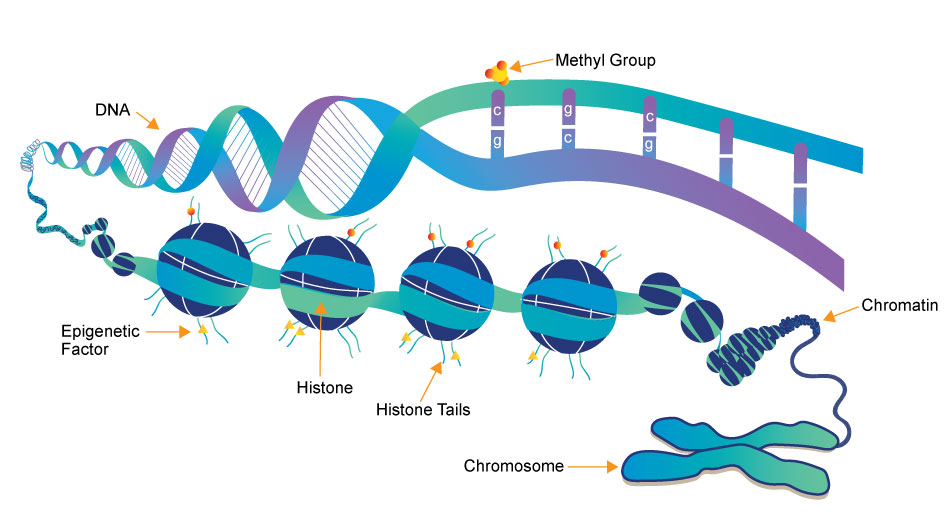
When I first dipped my toes into epigenetics, I thought it was just a checklist: run bisulfite sequencing here, ChIP-seq there, and voilà—data galore. Spoiler alert: it’s way messier. The real challenge—and the magic—is understanding why these methods capture what they do, and how your mindset around sample prep and study design shapes every single outcome.

Let me share a story that flipped my approach on its head. Early on, I spent an entire week chasing phantom ChIP-seq peaks because my crosslinking was too light—proteins barely stuck to DNA, so immunoprecipitation felt like fishing with a busted net. The data looked like static noise. I remember thinking, “This can’t be right—what am I missing?” That’s when it hit me: studying epigenetics isn’t just following protocols; it’s about tuning into the biology behind the technique.
Here’s the twist: every step you take is a conversation with the cell’s molecular orchestra. Miss a beat (skip controls or quality checks), and you’ll mishear the melody completely.
Step 1: Treat Your Biological Material Like Fragile Art
Epigenetic marks are subtle and delicate. When I started bisulfite sequencing for DNA methylation analysis, even tiny DNA degradation sounded like white noise drowning out a whisper. I once ran samples where careless extraction shredded half my DNA—conversion efficiency dropped by nearly 30%. Lesson? Use reliable kits like Zymo's EZ DNA Methylation-Gold, and always check your DNA quality with a Bioanalyzer before bisulfite treatment. That trace isn’t just pretty lines—it’s your sanity check telling you if your DNA is whole or falling apart.
Chromatin prep is another beast entirely. My first ATAC-seq nuclei prep was too rough—I ended up shredding chromatin instead of gently exposing accessible regions. Result? Libraries dominated by nucleosome-bound fragments instead of open chromatin signals. And crosslinking? It’s an art, not an exact science. For ChIP-seq, 10 minutes of formaldehyde fixation works well for histones but often needs tweaking for transcription factors.
Why does this matter psychologically? Because rushing or skipping foundational steps sets you up to feel defeated before you've even started—a classic self-fulfilling prophecy in experiments.
Quick checklist:
- Use gentle extraction methods; avoid over-shearing
- Run Bioanalyzer or TapeStation to assess DNA integrity
- Fine-tune crosslinking times based on protein target
- Pilot test sample prep before scaling up
Step 2: Bisulfite Sequencing – Listening to Cytosines’ Secrets
Bisulfite treatment chemically converts unmethylated cytosines into uracils while leaving methylated ones untouched. Sounds simple—but think about this: your DNA faces a harsh chemical bath that can break fragile strands if you’re not careful.
I once underestimated input DNA and started barely above 200 ng (ideal is closer to 500 ng+). Conversion was patchy; downstream sequencing coverage suffered. When I finally upped input to 1 microgram (yes, that much!), used Zymo’s kit, and controlled thermal cycling carefully (slow ramp rates help avoid over-degradation), methylation maps became crisp and reproducible.
Counterintuitive but true: pushing for more starting material in bisulfite sequencing pays off massively in data quality—even if your precious samples feel limited.
Next steps:
- Aim for ≥500 ng input DNA; 1 µg if possible
- Use trusted bisulfite conversion kits (Zymo EZ Gold is solid)
- Optimize thermal cycling parameters carefully
- Run pilot conversions with qPCR-based conversion controls if possible
Step 3: ChIP-seq – Trust but Verify Your Antibodies
ChIP-seq feels like detective work—finding where proteins cozy up on DNA strands. But here’s where patience and skepticism pay off big time.
I once blindly trusted an H3K4me3 antibody from a popular brand because “everyone uses it.” Huge mistake—the first dataset had inconsistent peaks everywhere—a red flag that left me reeling. After validating antibodies myself via Western blot (tedious but necessary), switching to Cell Signaling Technology’s batch boosted specificity dramatically.
The takeaway? Don’t trust blindly—develop an experimental paranoia about antibody quality and validate every batch before wasting precious samples or money on sequencing.
How to proceed:
- Validate new antibody lots via Western blot or dot blot
- Check published validation data and user reviews
- Include positive/negative controls in ChIP experiments
- Keep aliquots separate to prevent freeze-thaw cycles degrading antibodies
Step 4: ATAC-seq – Embrace Fragility to Reveal Accessibility
ATAC-seq blew my mind when I realized it could map open chromatin from as few as 50,000 cells in under three hours—a sprint compared to other methods!

But its Achilles’ heel is nuclei integrity. Once, I rushed nuclei prep; visually the pellet looked fine but ATAC libraries were weird—fragment sizes dominated by mononucleosomes instead of nucleosome-free fragments. That told me nuclei were partially compromised.
What saved future runs? Slowing down lysis steps and pipetting gently kept nuclei intact before transposition.
Psychologically, ATAC-seq demands mindfulness—treat samples gently in a world obsessed with speed.
Try this:
- Handle nuclei with wide-bore tips or cut pipette tips gently
- Avoid harsh centrifugation speeds (>500 x g can damage nuclei)
- Monitor fragment size distribution after library prep as a QA step
- Start with small pilot runs when trying new cell types/tissues
Step 5: Integration & Troubleshooting – Building Confidence Brick by Brick
Combining bisulfite sequencing, ChIP-seq, and ATAC-seq offers a symphony of epigenetic insights—but only if you can interpret their signals together.
On one project at a scrappy biotech startup (team of four brilliant minds), we mapped methylation changes alongside histone modifications and chromatin accessibility during drug resistance development in cancer cells. At first, datasets didn’t align—methylation said repression while accessibility remained high—a paradox until we discovered our ChIP antibody was cross-reactive.
Fixing that revealed coordinated epigenetic remodeling rather than isolated changes—a breakthrough that shifted their therapeutic strategy.
Big psychological insight: Epigenetic data rarely tells clean stories upfront; expect contradictions and use them as clues guiding deeper inquiry rather than signs of failure.
The Single Most Important Tip If You’re Starting Out
Don’t just follow protocols—understand them at the molecular level so you can hear when your experiment is off-key. Invest time upfront in sample quality checks, reagent validation, pilot studies (start small with at least three biological replicates per condition). This mindset turns epigenetics from frustrating guesswork into an exciting detective game where every unexpected result becomes a lead waiting to be unraveled.
If you want protocol recommendations or software tools (I swear by IGV for visualization and R packages like methylKit or DiffBind), just shout—I get way too excited geeking out over these!
Remember: Epigenetics isn’t just snapshots of DNA or histones—it’s tuning scientific intuition to catch whispers inside the genome itself. Once you get that rhythm? These techniques become less scary and more like unlocking secret codes inside cells.
Quick Recap Checklist:
Sample Prep:
- Handle samples gently; avoid over-shearing or rough lysis
- Check DNA quality with Bioanalyzer before bisulfite treatment
- Optimize crosslinking times per target protein
Bisulfite Sequencing:
- Use ≥500 ng input DNA; aim for ~1 µg if possible
- Use trusted kits (Zymo EZ Gold) with optimized cycling conditions
ChIP-seq:
- Validate every antibody batch via Western blot/controls
- Include positive/negative controls in every experiment
ATAC-seq:
- Keep nuclei intact using gentle pipetting & proper centrifugation speeds (<500 x g)
- Monitor fragment size distribution post-library prep
Integration & Analysis:
- Expect contradictions; troubleshoot reagent issues early
- Combine datasets thoughtfully for richer insight
And hey—I’ve definitely thrown my pipette in the air more than once during trouble runs! But stick with it; those moments teach you more than any perfect dataset ever will.
Ready to dive deeper? Just ask—I’m here for all your epigenetic detective stories!


